Veterans complain about MRI queues and paid "free" services: how they want to change MMC and insurance medicine


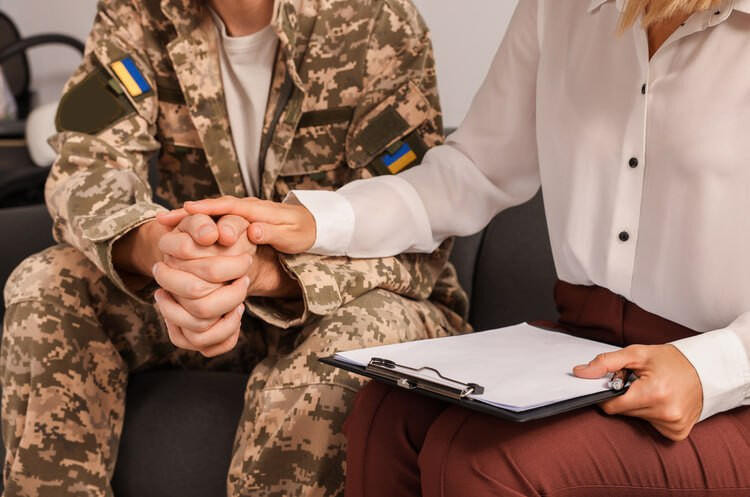










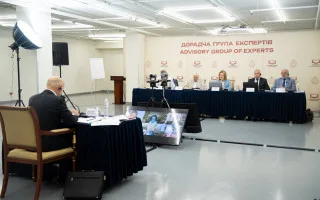
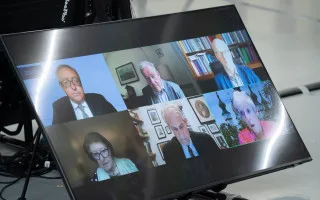
A meeting was held in the Verkhovna Rada Committee on National Health, Medical Care, and Medical Insurance with defenders of Ukraine.
During the meeting, participants discussed issues of accessibility and quality of medical services, including cases of unjustified refusal to provide medical care to servicemen and veterans, as well as attempts to force them to pay for services fully funded by the state under the Medical Guarantees Program. Special attention was paid to mechanisms for responding to such violations and protecting patients' rights.
Among the cited examples of violations were situations where expensive equipment in municipal medical institutions, including magnetic resonance imaging scanners, is used only a few hours a day. According to the participants, this may artificially create queues and encourage patients to seek paid examinations at private clinics. There were also cases when patients brought to hospitals in emergency medical order were forced to pay for surgical interventions that, according to current legislation, should be provided free of charge.
During the meeting, veterans were informed that since March, the National Health Service of Ukraine has been conducting unscheduled monitoring inspections of medical institutions providing computed tomography and magnetic resonance imaging services under the Medical Guarantees Program. The first stage of inspections has already covered five medical institutions. In addition, the NHSU announced strengthening control over the accessibility of such examinations for patients.
Participants noted that the Ministry of Health, NHSU, and the relevant parliamentary committee respond to such signals, but in most cases, patients do not file official complaints. Because of this, facts of possible violations often remain without proper legal assessment, and those responsible avoid accountability.
Special emphasis was placed on the important role of veterans in society. Their high level of trust and active civic position can become an effective tool for identifying violations in healthcare and promoting greater transparency in the medical system. In this regard, it was proposed to unite the efforts of the veteran community and public organizations to record cases of patient rights violations and respond to them accordingly.
Meeting participants expressed confidence that effective changes are possible provided that every violation is properly documented and official inspections are conducted on all identified facts.
The discussion also raised the issue of protecting Ukrainian medical workers. It was emphasized that the vast majority of medics today work under extreme workloads, often under shelling, saving citizens' lives and health daily, and have no connection to possible financial abuses or violations that may be committed by certain officials.
Additionally, participants discussed further digitalization of the healthcare system, prospects for using artificial intelligence technologies in medicine, changes in the procedure of military medical commissions within army corps, creation of a unified medical space for civilian and military medical institutions, the possibility of introducing insurance medicine, as well as certain issues related to disability determination.
At the end of the meeting, veterans were thanked for their active participation in the discussion and willingness to contribute to improving the medical system. It was emphasized that their experience, authority, and civic activity are important for the country's development not only during the war but also in peacetime.
Readiness for further dialogue and cooperation with the veteran community on healthcare development issues was also emphasized.
Subscribe to our Telegram channel t.me/sudua and on Google News SUD.UA, as well as on our VIBER and WhatsApp, page on Facebook and on Instagram to stay informed about the most important events.