They propose to freeze water tariffs: The Cabinet of Ministers is urged to introduce a moratorium


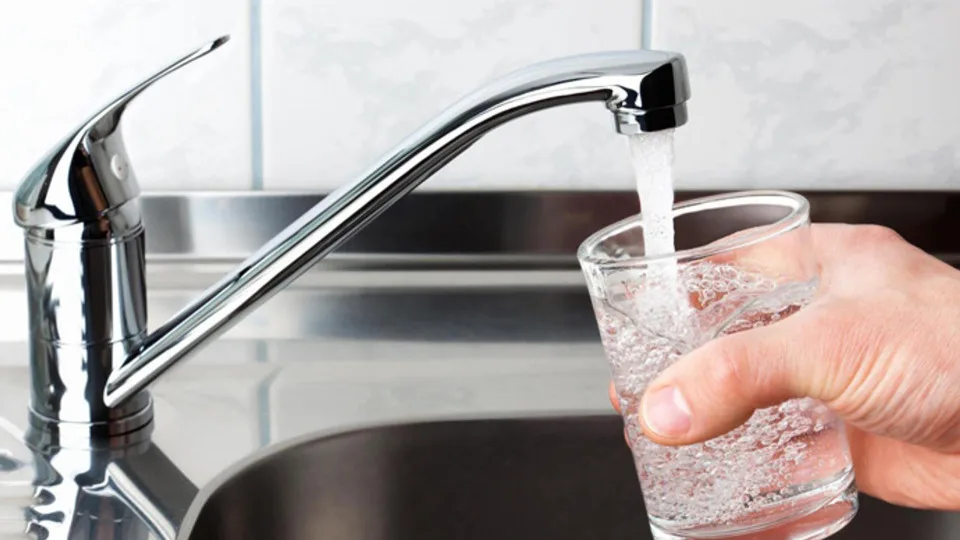










As reported by "Judicial and Legal Newspaper", after the powers to set tariffs for centralized water supply and sewage services were transferred from the National Commission for State Regulation of Energy and Public Utilities (NKREKP) to local self-government bodies, the cost of water in different communities began to vary significantly. Now decisions on tariff revisions are made by local authorities, so prices depend on the financial condition of a particular water utility and regional specifics.
Water supply enterprises justify the need to raise tariffs by increased production costs. This primarily concerns the rising prices of electricity, reagents for drinking water treatment, growth in the wage fund, as well as significant expenses for the repair and modernization of worn-out networks and equipment, without which ensuring stable water supply is becoming increasingly difficult.
Because of this, in some Ukrainian cities, tariffs already significantly exceed average levels. For example, in June, the most expensive centralized water supply and sewage services were recorded in Pavlohrad, where the combined tariff is 113 UAH per cubic meter. In Drohobych, consumers pay 87.30 UAH, in Voznesensk — 71.44 UAH, in Zaporizhzhia — 69.37 UAH, and in Chernivtsi — 63.56 UAH per cubic meter.
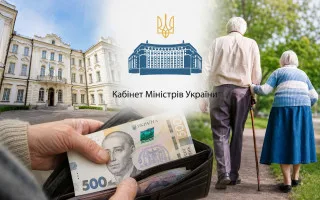
Against the backdrop of rising water supply costs in Ukraine, an electronic petition has been submitted to the Cabinet of Ministers demanding the introduction of state regulation of tariffs or a temporary ban on their increase.
The appeal states that after the latest tariff revision from July 1, 2026, the cost of centralized water supply and sewage services has significantly increased in many cities across the country. The petition's authors claim that in Dnipro, the tariff for the population increased almost 2.6 times — to 81.92 UAH per cubic meter, while in some cities of the Dnipropetrovsk region and other regions of Ukraine, prices already exceed 100–150 UAH per cubic meter.
According to the initiators of the appeal, such tariff increases are happening amid a full-scale war, when a significant part of the population faces income reduction, unemployment, and constant risks due to hostilities. The petition emphasizes that water is a basic essential service, so its cost must remain affordable for the population.
Separately, the authors draw attention to the fact that the transfer of tariff-setting powers to local self-government bodies, in their opinion, has led to significant differences in service costs between communities. Because of this, residents of different regions with similar income levels pay amounts for water that can differ several times.
What decisions are demanded from the Cabinet of Ministers
The petition №41/010252-26ep proposes one of two options for state response.
The first is to introduce a moratorium on any increase in tariffs for centralized water supply and sewage services for household consumers until the end of martial law and for six months after its cancellation, returning tariffs to the level that was in effect before July 1, 2026.
The alternative option provides for setting a single maximum water tariff for the population, which local self-government bodies and communal enterprises will not be able to exceed regardless of the region.
In addition to tariff restrictions, the petition's authors propose introducing a mechanism of state subsidies and more broadly involving international financial assistance to compensate water supply enterprises' expenses, especially in frontline and affected regions.
In their opinion, ensuring the financial stability of critical infrastructure facilities should be carried out at the expense of the state budget and international partners, rather than by shifting all costs onto consumers.
In this regard, the authors of the appeal urge the Cabinet of Ministers to promptly adopt one of the proposed decisions to prevent further social tension and ensure the affordability of water supply services for the population.
Subscribe to our Telegram channel t.me/sudua and to Google News SUD.UA, as well as to our VIBER and WhatsApp, Facebook page and Instagram to stay informed about the most important events.