Mobilized Employee Went AWOL: Does the Employer Have the Right to Dismiss Him


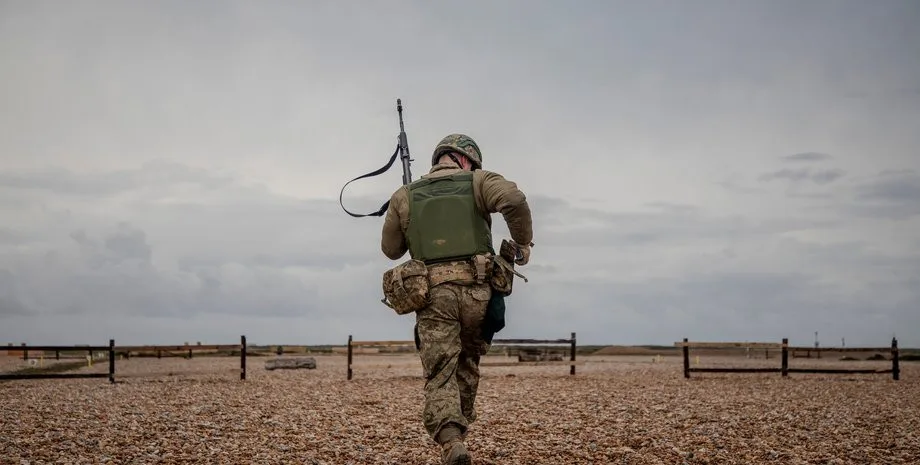










An employee mobilised into the ranks of the Ukrainian Defence Forces who is absent without leave (AWOL) from their military unit may terminate their employment with their employer either at their own request or by mutual agreement. The mere fact that the service member is AWOL does not create additional risks for the enterprise.
Legislation does not prohibit the dismissal of an employee serving in the military during a special period if the initiative for such dismissal comes from the employee.
Specifically, the termination of an employment contract by mutual agreement is provided for in paragraph 1 of part one of article 36 of the Labour Code of Ukraine (LCU). Such a dismissal is not considered to be at the employer’s initiative.
However, an employer cannot unilaterally initiate the termination of employment with a mobilised employee, as the guarantees provided by part three of article 119 of the LCU remain in force for them.
This provision ensures that employees called up for military service during a special period retain their workplace and position.
The possibility of dismissing a mobilised employee at their own request is also confirmed by the position of the Ministry of Social Policy of Ukraine, as set out in the letter dated 14 February 2015, No. 1911/0/14-15/06.
If an employee wishes to resign voluntarily, they must submit a corresponding written application.
According to article 38 of the LCU, an employee has the right to terminate the employment contract by notifying the employer two weeks in advance. If there are valid reasons, the employer must dismiss the employee within the requested period.
After receiving the application, the employer issues an order for dismissal, indicating the grounds — at the employee’s own request or by mutual agreement. Unauthorised absence from the military unit does not terminate the status of a mobilised employee and is not a basis for automatic deprivation of their labour guarantees. This means that even if the service member is AWOL, the employer does not acquire the right to dismiss them on their own initiative. The fact of violating military discipline may have consequences under military law but does not alter the procedure for terminating employment with a civilian employer.
Provided that dismissal occurs exclusively at the employee’s request and without coercion from the enterprise, there are no risks for the employer. A violation would occur if the employer themselves offers or forces the mobilised employee to write a resignation letter, as this may be considered a breach of the guarantees established by article 119 of the LCU.
As previously reported by Judicial-Legal Newspaper, unauthorised absence from a military unit during martial law has not only criminal-legal consequences but also directly affects the financial support of the service member. From the moment of unauthorised absence, payments cease, the right to a number of social guarantees is lost, and the period of absence is not counted towards length of service.
Subscribe to our Telegram channel t.me/sudua, follow SUD.UA on Google News , and join us on VIBER, WhatsApp, Facebook and on Instagram to stay informed about the important events.