Not the TV or refrigerator: which appliance uses the most electricity at home?


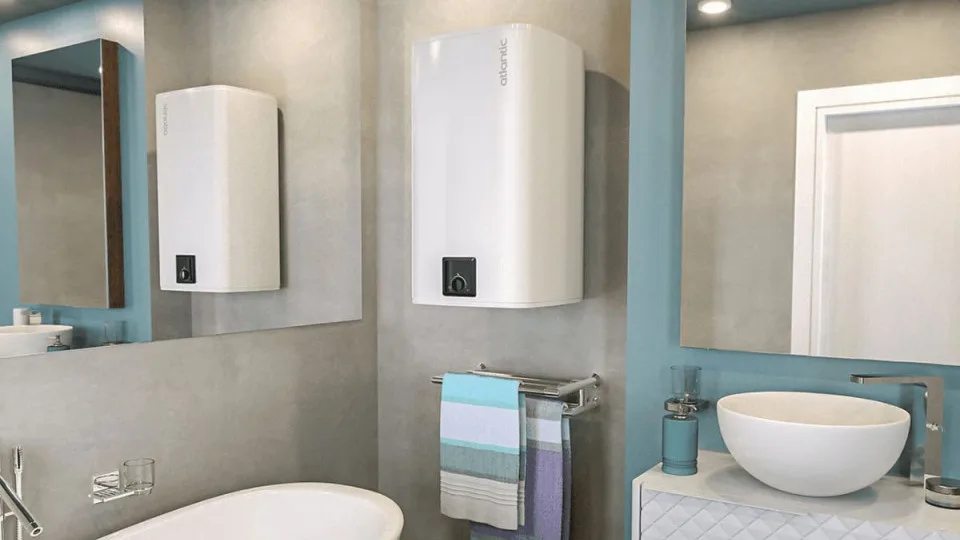










The rising cost of electricity is forcing Ukrainians to pay closer attention to energy consumption and look for ways to reduce utility expenses. However, the common belief that refrigerators, washing machines, or dryers consume the most electricity at home is incorrect. The largest source of household electricity consumption is usually the electric water heater, or boiler.
According to experts, a boiler may account for the largest share of electricity use because of how it operates. It not only heats water but also continuously maintains the set temperature. Throughout the day, the device switches on automatically to compensate for heat loss.
Electricity consumption depends on several factors:
- tank capacity;
- set heating temperature;
- quality of the appliance's thermal insulation;
- amount of hot water used by the family.
For comparison, modern energy-efficient household appliances consume on average per year:
- a refrigerator running continuously — 100-250 kWh;
- a dishwasher — 150-270 kWh;
- a dryer — 300-600 kWh.
At the same time, a single electric boiler can account for 20% to 30% of the total energy consumption of an average household.
Experts advise selecting the water heater volume depending on the number of people in the family. During a regular shower, one person uses approximately 30-50 liters of mixed warm water.
Recommended volumes:
- 50-80 liters — for 1-2 people who mostly take showers;
- 80-120 liters — for a family of 3-4 people;
- over 120 liters — for large families or those who frequently use a bathtub.
The location of the boiler installation is also important. If the appliance is located in a cold room or the hot water pipes are not insulated, the water cools faster, causing the device to turn on more often.
To reduce electricity consumption, it is recommended to:
- set the heating temperature at 55-60 °C;
- regularly clean the boiler from scale;
- insulate hot water pipes;
- choose showers more often instead of baths;
- use water-saving nozzles and aerators;
- select a boiler volume appropriate for the family's needs.
As previously reported by the Judicial and Legal Newspaper, in Ukraine, a person’s only home cannot be sold to repay utility debts if the amount owed does not exceed 50 minimum wages. In 2026, this threshold is UAH 432,350.
Before considering the seizure of an apartment, a state or private enforcement officer must check the debtor’s bank accounts for available funds, garnish part of the debtor’s official salary or pension within the limits established by law, and seize other property, including a car or valuable household appliances.
Only if these assets are insufficient may the issue of seizing real estate be considered.
Subscribe to our Telegram channel t.me/sudua, follow SUD.UA on Google News , and join us on VIBER, WhatsApp, Facebook and on Instagram to stay informed about the important events.