How to Properly Store Food in the Heat — Useful Tips


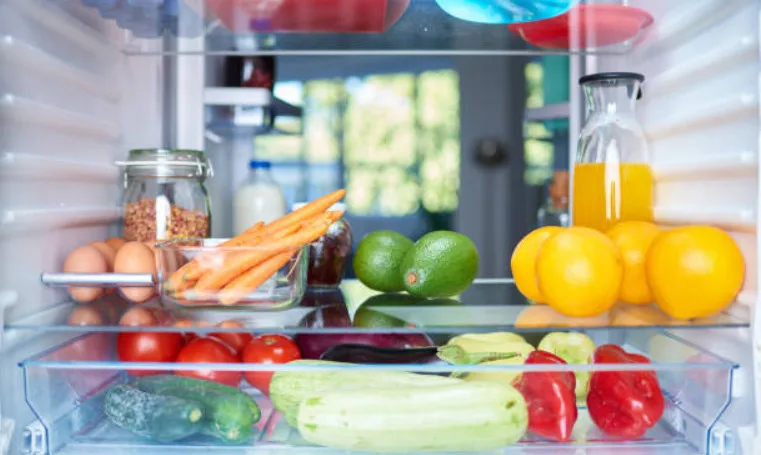










Heat creates favorable conditions for bacterial growth, significantly increasing the risks of foodborne infections and poisoning. The Public Health Center of the Ministry of Health of Ukraine explained how to properly store food in summer.
Foodborne Infections and Heat
Food stored under improper conditions can be a source of pathogens causing salmonellosis, campylobacteriosis, listeriosis, brucellosis, infections caused by pathogenic strains of E. coli, and others.
If perishable products (meat, poultry, seafood, milk, and eggs) are stored with temperature violations, they should not be consumed even after proper heat treatment, as toxins that are not destroyed by heating may remain in them.
Immediately consult a doctor if you notice poisoning symptoms that persist for a long time or worsen:
- diarrhea lasting more than three days;
- blood in stool;
- body temperature above 39℃;
- frequent vomiting preventing fluid retention in the stomach;
- signs of dehydration (infrequent urination, dry mouth and throat, thirst, dizziness, or severe weakness).
How to Properly Store Food
Ready meals and products should not be left without cooling for more than 2 hours, and if the air temperature is above 30℃ — for more than 1 hour.
The refrigerator temperature should not exceed 5℃, and the freezer temperature should not exceed -18℃.
Do not overcrowd shelves with products: this can disrupt air circulation inside and affect the temperature.
Do not store dishes in large containers: divide them into small portions and place them in separate containers.
Store raw meat, poultry, and seafood in closed containers so that their juices do not get on other products.
Low refrigerator temperature slows bacterial growth but does not stop it completely. If a product in the refrigerator or freezer has spoiled, it must be disposed of as soon as possible.
How to Store Food During Power Outages
If power outages are planned, prepare in advance:
- place household thermometers in the refrigerator and freezer — this will help determine if the temperature inside has risen above 5℃;
- prepare plastic bottles with frozen water — during power outages, place them in the refrigerator to maintain a low temperature longer;
- freeze perishable products to extend their shelf life.
Do not open the refrigerator door unnecessarily during outages. This way, the correct temperature will be maintained:
- in the refrigerator compartment — for 4 hours;
- in a full freezer — up to 48 hours;
- in a half-empty freezer — up to 24 hours.
Properly heat treat food. The temperature inside the product must reach 70℃: meat, fish, and seafood should have no raw parts inside, and eggs should have fully cooked whites and yolks.
If perishable products have been without refrigeration for more than 2 hours at temperatures above 5℃ or more than 1 hour at temperatures from 30℃ — they must be disposed of.
Subscribe to our Telegram channel t.me/sudua, follow SUD.UA on Google News , and join us on VIBER, WhatsApp, Facebook and on Instagram to stay informed about the important events.