Is It Okay to Charge Your Phone Several Times a Day: Tips for Longer Battery Life


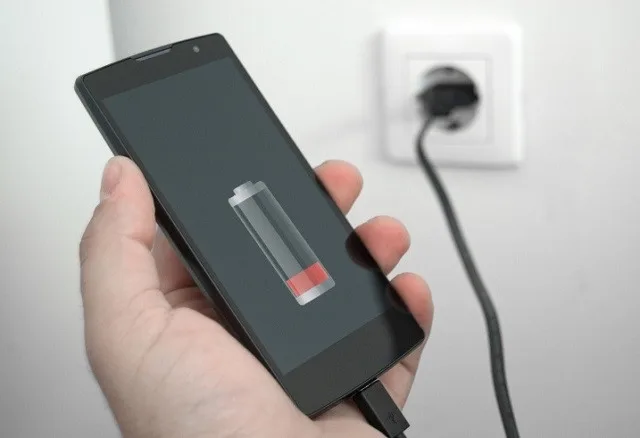










Many smartphone owners still do not know whether it is okay to charge their phone several times a day or if they need to wait for the battery to fully discharge. There are many myths surrounding this topic that date back to the era of old mobile phones. In reality, modern lithium-ion batteries operate on different principles, so the correct charging routine can significantly extend their lifespan. Charby discusses this here.
Modern smartphones are mostly equipped with lithium-ion batteries, which typically last about 2–3 years or approximately 300–500 full charge cycles. After this, their capacity usually decreases by about 20%. Improper charging habits can accelerate battery wear even before this resource is exhausted.
Experts note that frequent short charging sessions do not harm the battery. On the contrary, for lithium-ion batteries, it is much better to keep the charge level in the middle range than to regularly let it fully discharge or charge to 100%.
The two most harmful situations for modern batteries are:
-
deep discharge when the charge approaches 0%;
-
prolonged battery stay at maximum charge level — around 100%.
That is why the advice to fully discharge your phone before each charge has long become outdated. Such recommendations applied to old nickel-cadmium batteries, which had the so-called "memory effect." For modern smartphones, these recommendations not only do not help but can also shorten the battery's lifespan.
During use, the battery gradually ages due to natural chemical processes. The rate of wear is additionally influenced by heavy smartphone usage, regular full discharges, and prolonged periods at critically low or, conversely, maximum charge levels.
Experts recommend not waiting until the battery is almost completely discharged. It is optimal to connect the phone to the charger when the charge level drops to about 20–30%, and it can be unplugged before reaching 100% if circumstances allow. This charging routine is considered the most gentle for the battery.
At the same time, there is an exception when a full discharge can be useful. If the smartphone starts to incorrectly display the charge percentage — for example, it suddenly turns off or shows an inaccurate battery level — calibration can be performed. To do this, simply fully discharge the phone once and then charge it to 100%.
Experts emphasize that this procedure does not restore battery capacity but only helps synchronise the software controller with the actual battery state. It should not be done regularly — only in case of errors in charge display or after long-term storage of the smartphone without use.
In everyday use, the optimal strategy remains regular small top-ups and avoiding extreme charge levels. This approach will help preserve battery capacity longer and maintain stable smartphone autonomy.
Subscribe to our Telegram channel t.me/sudua, follow SUD.UA on Google News , and join us on VIBER, WhatsApp, Facebook and on Instagram to stay informed about the important events.