The European Union postpones the launch of ETIAS: mandatory entry authorization for 20 EUR will start later


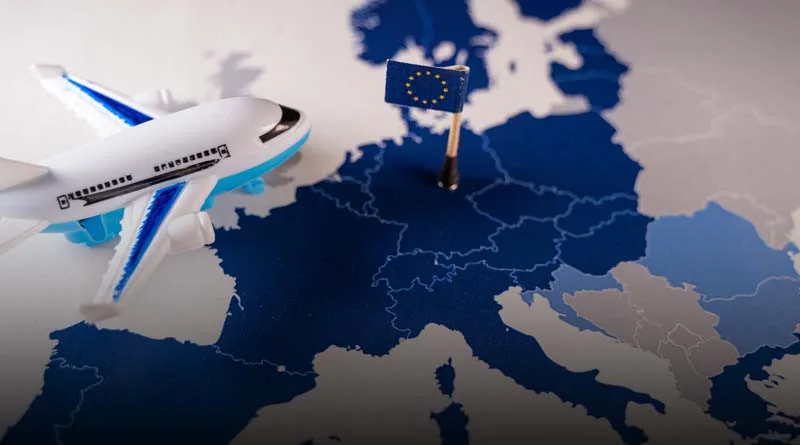










The European Union is likely to postpone again the launch of the European Travel Information and Authorization System (ETIAS), which will become mandatory for citizens of visa-free countries entering the EU.
The reason is technical difficulties in implementing the new control system at the EU's external borders, which has already caused delays and long queues.
What ETIAS is and who the new rules will apply to
ETIAS is a system of prior electronic authorization for entry into European Union countries, operating similarly to the American ESTA system. It will apply to approximately 1.4 billion travelers from countries whose citizens do not require a visa for short-term trips to the EU.
Before traveling, such individuals will need to complete an online application, undergo automated security checks, and pay a fee of 20 EUR. Only after receiving authorization will they be able to travel to EU countries.
Why the EU is postponing the system launch
The discussion about the new postponement is related to problems during the implementation of another digital system — the Entry/Exit System (EES), which records the entry and exit of third-country nationals through the EU's external borders.
EES involves scanning travelers' fingerprints and facial images. Its implementation has been accompanied by technical failures and slow processing at the borders. According to sources, this has already caused long queues at certain airports and land border crossings, and aviation representatives have warned of the risk of chaos during the summer tourist season.
As Financial Times points out, launching ETIAS by the end of 2026 is no longer considered realistic.
A source explained to the publication that launching ETIAS under current conditions would only worsen the situation.
"First, the EES must be properly functioning before launching another system that will again double the queues," the source said.
What is known about the new timeline
The EU-LISA agency, responsible for creating and implementing ETIAS, has already acknowledged that launching the system by the end of 2026 is impossible.
The agency's board discussed this issue on June 17. Two sources reported that the next meeting is scheduled for September, when a new launch date may be determined.
An EU-LISA spokesperson confirmed that the issue of ETIAS deployment was indeed discussed, but no new decisions have been made since the June meeting.
At the same time, the final decision on the launch date will be made by the European Commission. It can do so only after EU-LISA successfully completes system testing.
What problems have arisen
According to sources, ETIAS still has some technical issues. In addition, difficulties with launching EES are explained not only by software performance.
EU Commissioner for Home Affairs Magnus Brunner noted in a letter to airline executives that delays may also be related to staff shortages and insufficient infrastructure in some EU member states.
The European Commission confirmed that preparations for the ETIAS launch are ongoing.
"Preparations for the ETIAS launch continue. As with any major IT system, many factors are considered when determining the launch date," a European Commission spokesperson said.
Why the postponement was not a surprise
The EES system was supposed to start operating in 2022, but its launch has been repeatedly postponed due to procurement issues, technical difficulties, and slow preparation by some member states.
European officials say they are not surprised by the new ETIAS delay, as the EU-LISA agency is simultaneously responsible for several large-scale digital border management systems for the EU.
One source suggested that the postponement may only be a few months or one quarter. Meanwhile, another source calls launching ETIAS by the end of 2026 "illusory," indicating a high likelihood of postponing the system's start to 2027.
Subscribe to our Telegram channel t.me/sudua and to Google News SUD.UA, as well as to our VIBER and WhatsApp, and follow us on Facebook and Instagram to stay updated on the most important events.