The Supreme Court explained when a legal aid agreement confirms a lawyer's authority


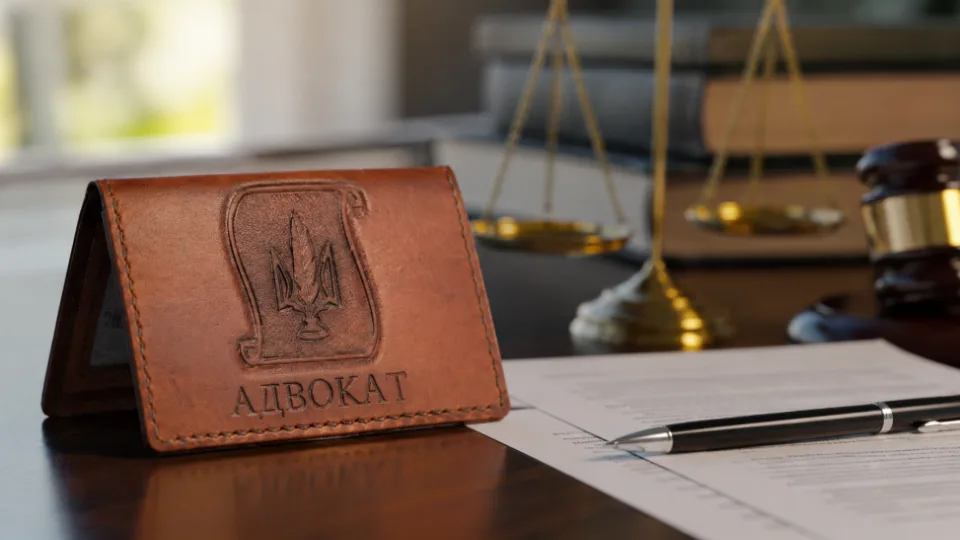










The Commercial Cassation Court as part of the Supreme Court clarified an important procedural aspect of confirming a lawyer’s authority. The court concluded that a legal aid agreement together with a valid certificate of the right to practice law can confirm the representative’s authority, even if the power of attorney itself does not confirm representation in the relevant judicial instance. At the same time, the court applied a legal conclusion previously formulated by the united chamber of the Cassation Civil Court.
The dispute arose after the commercial court denied the plaintiff’s claim to recognize the lease agreement for a land plot for the construction of a residential complex as concluded. This decision was appealed, but the appellate commercial court returned the appeal before the appellate proceedings were opened.
The appellate court reasoned that the power of attorney attached to the appeal was issued for representing the client’s interests in the court of first instance and therefore did not confirm the lawyer’s authority in the appellate court. Consequently, the court concluded that there was no proper confirmation of the representative’s authority and returned the appeal.
In the cassation appeal, the applicant stated that along with the appeal, not only the power of attorney but also the legal aid agreement and a valid certificate of the right to practice law were submitted. Moreover, the agreement itself provided the lawyer with the authority to file an appeal, but the appellate court did not evaluate this document at all.
Position of the Commercial Cassation Court
The Commercial Cassation Court agreed with the arguments of the cassation appeal.
The court recalled that part four of Article 60 of the Commercial Procedural Code defines the documents that confirm a lawyer’s authority. At the same time, the absence of a direct mention of a legal aid agreement in this provision does not mean that such an agreement cannot certify the representative’s authority.
Referring to the legal conclusion of the united chamber of the Cassation Civil Court dated January 20, 2025, the Supreme Court noted that a legal aid agreement, in systemic connection with Article 26 of the Law "On Advocacy and Advocacy Activity," is also a document that certifies a lawyer’s authority. In the presence of a valid certificate of the right to practice law, such an agreement can be proper confirmation of the representative’s authority even when the power of attorney does not confirm representation specifically in the relevant judicial instance. The Commercial Cassation Court has already applied a similar approach in its ruling dated April 9, 2025, in case No. 916/1092/24.
After examining the case materials, the Commercial Cassation Court of the Supreme Court established that the legal aid agreement and the certificate of the right to practice law were attached to the appeal, but the appellate court did not evaluate these documents.
According to the Supreme Court, the failure to consider this evidence led to the incorrect application of procedural law norms. The appellate court prematurely concluded the absence of confirmation of the lawyer’s authority, not taking into account the Supreme Court’s legal position on the possibility of confirming such authority by a legal aid agreement.
What the Supreme Court decided
The Commercial Cassation Court partially satisfied the cassation appeal, canceled the appellate commercial court’s ruling on returning the appeal, and sent the case back to the same court to decide on opening appellate proceedings.
Thus, in case No. 904/3866/25, the Supreme Court confirmed that courts cannot disregard a legal aid agreement if it contains the lawyer’s authority to represent the client. In the presence of such an agreement and a valid lawyer’s certificate, the power of attorney alone, which does not confirm representation specifically in the relevant judicial instance, is not an unconditional basis for returning an appeal.
Subscribe to our Telegram channel t.me/sudua and to Google News SUD.UA, as well as to our VIBER and WhatsApp pages on Facebook and Instagram to stay informed about the most important events.