"Estate" or "garden" house in the technical passport: what is the difference and how not to confuse them


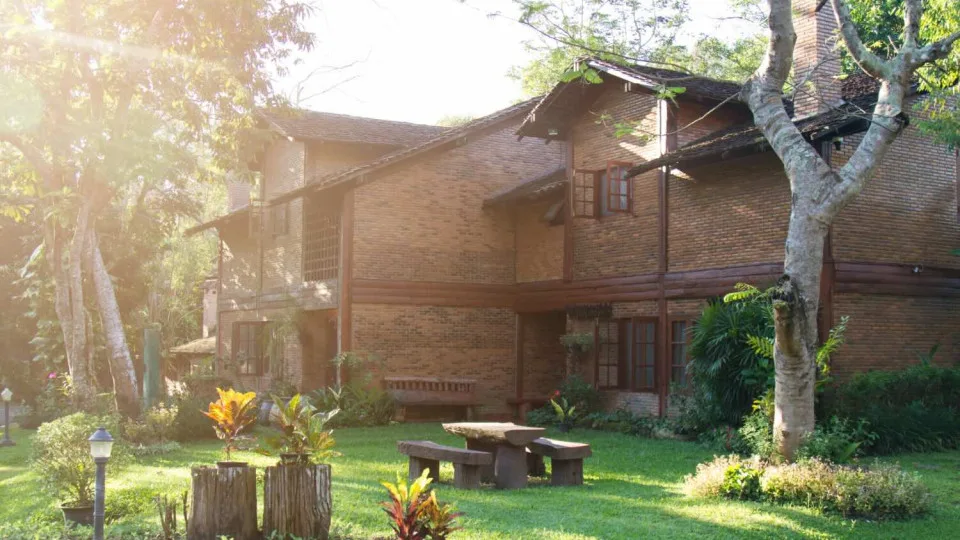










When registering real estate documents, homeowners may encounter similar-sounding terms — "estate" and "garden" house. Despite the similarity in names, these concepts have different legal meanings and relate to different types of real estate.
What is the difference between such objects considering the requirements of current legislation.
What is a residential building
A residential building is a capital-type structure built in compliance with the requirements established by law and other regulatory legal acts, intended for permanent residence.
Residential buildings are divided into estate-type residential buildings and apartment-type residential buildings of various storeys.
What is an estate-type residential building
An estate-type residential building is a residential building located on a separate land plot, consisting of residential and auxiliary (non-residential) premises (hallway, kitchen, corridor, veranda, toilet, pantry, room for autonomous heating system, laundry, etc.).
What is a garden house
A garden house has a different purpose. It is a house for summer or seasonal use, which in some parameters may not comply with the standards established for residential buildings.
The land is of important significance
One of the key criteria for distinguishing these concepts is the designated purpose of the land plot on which the object is located.
Thus:
- an estate-type residential building is located on a land plot intended for the construction and maintenance of a residential building, household buildings, and structures (homestead plot);
- a garden house is located on a land plot intended for gardening — individual or collective.
Therefore, the use of the word "estate" in the technical passport does not mean a change in the status of the house or its conversion into a non-residential or seasonal object. It is only a definition of the type of residential building according to the established classification.
Note that we explained when a self-built house can be registered through a simplified procedure, when a construction amnesty applies, and in which cases a much more complicated process must be followed.
Subscribe to our Telegram channel t.me/sudua and to Google News SUD.UA, as well as to our VIBER and WhatsApp, page on Facebook and on Instagram to stay informed about the most important events.